
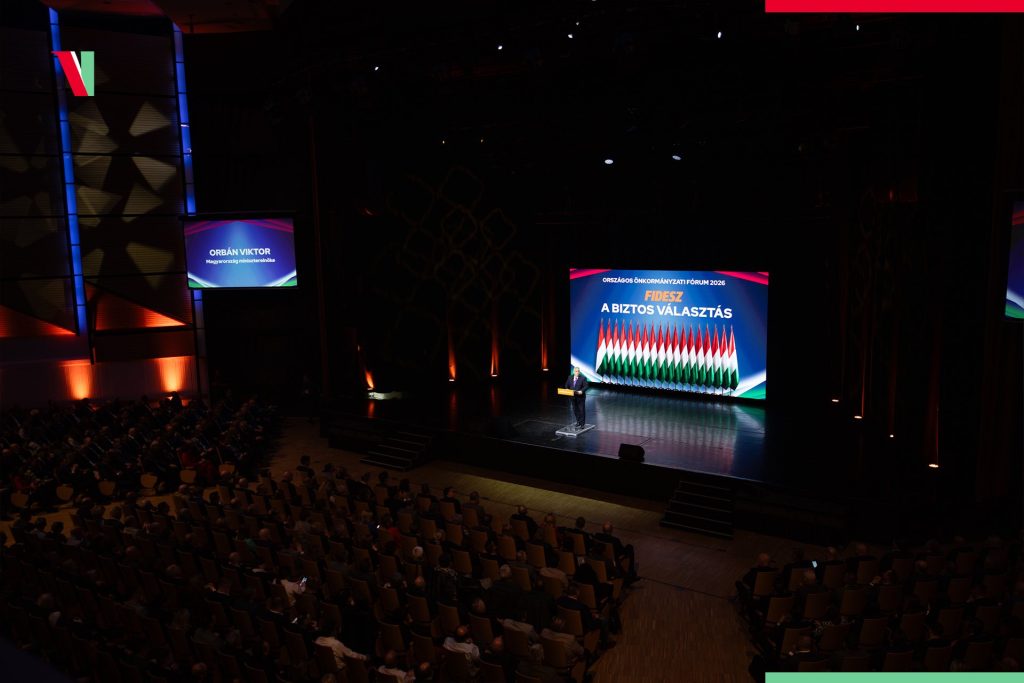
Reading the recent statements from Mayor László Papp after Fidesz’s National Municipal Forum, I couldn’t help thinking about how dramatically the narrative around Eastern Hungary has changed in just a few years. Whether one agrees with every political angle or not, the conversation itself signals a shift that’s hard to ignore.
The forum tackled the restructuring of Hungary’s municipal system and the ongoing debate around the solidarity contribution paid by wealthier cities. These are not small issues—they shape how cities grow, how they fund services, and how they support each other.
Prime Minister Viktor Orbán told participants that Eastern Hungary is on the brink of development. He framed it as a correction of a long‑standing imbalance: historically, Western Hungary has been more industrialised and more prosperous, drawing workers away from the east. According to him, this trend is now reversing.
From my perspective, this idea of rebalancing the country is compelling. Regional inequality has been a stubborn challenge for decades, and any effort to address it—regardless of political framing—deserves close attention.
Debrecen as the Flagship Example
Mayor of Debrecen László Papp reinforced this message by pointing to Debrecen’s recent trajectory. He highlighted major investments, especially the BMW plant, which has created thousands of jobs. He noted something I find particularly meaningful: people are returning. Young professionals trained in local vocational schools and at the university now see viable futures in their own city rather than feeling pushed to leave.
As someone who follows Debrecen’s development closely, I see this as one of the most encouraging trends. A city thrives when its young people believe they can build a life there.
Between 2022 and 2025, Debrecen received more than HUF 262 billion in government support while contributing HUF 28.82 billion in solidarity payments. The mayor emphasised that the balance is clearly positive for the city. These funds have gone into cultural projects, transportation upgrades, and expanding industrial zones—investments that, in turn, generate more jobs.
The Debate Over Solidarity Contributions
Orbán suggested that the solidarity system might be reviewed after a successful election, and Papp expressed full support. He stressed that solidarity is important—after all, not every municipality has Debrecen’s advantages—but it must remain proportionate.
Supporting less fortunate municipalities is essential, but the mechanism must feel fair to those contributing. That balance is delicate, and I think many cities across Hungary are watching this discussion closely.
Photo credit: Facebook (Papp László)