
For a while, it felt like inflation in Hungary was settling into something more predictable. The sharp shocks of the past few years appeared to be easing, and the narrative was shifting toward stability. But the latest signals from the National Bank of Hungary suggest that phase may have been temporary.
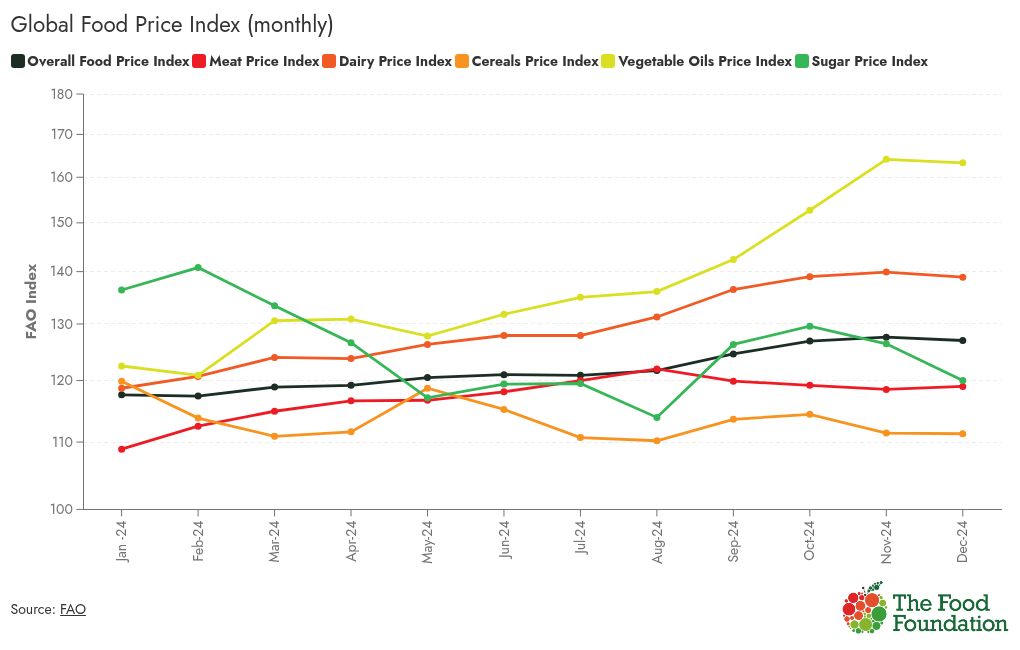
From March onward, inflation is expected to edge higher again. Not because demand is overheating, but because of something more structural. Energy costs are once again feeding back into the system, and this time the effect is slower, more persistent and harder to avoid.
The mechanism is familiar. Higher global energy prices gradually pass through into transport, production and eventually consumer prices. It doesn’t happen overnight, but once it starts, it touches almost everything. Fuel price caps may soften the initial impact, but they don’t remove the underlying pressure. They simply delay it.
That delay matters, because when the costs finally work their way through, they tend to show up in everyday items rather than headline indicators. You don’t need a chart to see it. You just need to buy a loaf of bread. The price has doubled in the last few years, now around 400 forints for half a kilo and while prices are no longer jumping sharply, they are still moving in one direction.
This is the difference between volatility and persistence. The spike phase may be over, but the adjustment phase continues. Prices are no longer surging, but they are not returning to previous levels either. They are resetting higher and then gradually climbing from there.
According to the central bank, energy markets may only normalise around mid-2027. That pushes the return to the 3 percent inflation target into the second half of 2027, not exactly around the corner. In the meantime, inflation is expected to average around 3.8 percent in 2026 and 3.7 percent in 2027. On paper, those figures appear manageable. In practice, the direction matters more than the number.
At the same time, the broader economic picture is not deteriorating. Growth is expected to reach around 1.7 percent in 2026 and strengthen to 3 percent in 2027. Household consumption is likely to play a key role, supported by rising wages and improving confidence, while industrial output begins to reflect the investment cycle of recent years.
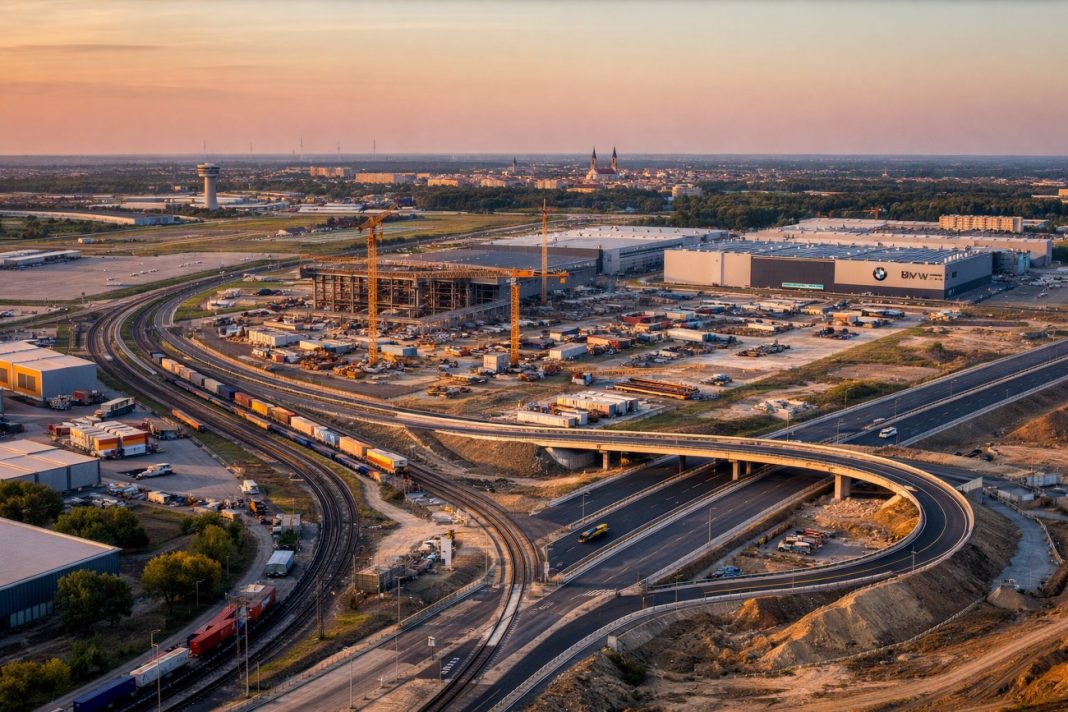
Hungary has spent much of the past decade building industrial capacity, particularly in manufacturing and energy-intensive sectors. That capacity is now coming online, and it is expected to support exports in the years ahead. But this is where the tension emerges.
Higher energy prices do not only affect households. They also shape industrial competitiveness. If European production continues to operate with structurally higher energy costs than competitors in the United States or parts of Asia, that pressure will be felt across key sectors. Automotive, chemicals and heavy industry are all exposed to this dynamic.
So what emerges is a balancing act. New capacity is pushing growth upward, while energy costs are pulling competitiveness downward. Both forces are active at the same time, and the outcome depends on how they interact over the next two years.
The same pattern appears in Hungary’s external balance. The country is expected to run a modest current account deficit of around 0.7 percent of GDP in 2026, largely due to higher energy import costs. As those costs stabilise and exports strengthen, the balance is forecast to move back into surplus in 2027. Again, the theme is consistent. Short-term pressure, followed by medium-term stabilisation.
Beneath these macro trends sits a deeper structural reality. According to Eurostat, household consumption in Hungary remains well below the European Union average. At the same time, the country applies the highest VAT rate in the EU. These two factors together shape how inflation is experienced.
With consumption still below the EU average and VAT at a continent-high 27 percent, inflation in Hungary is structurally amplified. Price increases are not only felt more quickly, but also more directly in everyday spending.
Yet households are not new to this environment. Hungarian society remains deeply family-centred, and that social structure plays a quiet but important role. Costs are often shared, pressures are distributed, and adjustments are made collectively rather than individually. This does not remove the impact of inflation, but it changes how it is absorbed.
This is where the data only tells part of the story. On paper, inflation may look moderate. In reality, everyday costs still move in ways that people notice immediately. And yet, adaptation happens just as quickly. Spending shifts, habits adjust, and the system absorbs the pressure.
Step back, and the broader pattern becomes clear. Inflation in Hungary is still being shaped largely from the outside. Energy flows in, costs ripple through, and prices adjust accordingly. Domestic policy can smooth the edges, but it cannot fully control the underlying forces.
The spike may be behind us, but the new baseline is firmly in place. And from here, the movement is slower, steadier and more persistent.